As a psychologist and follower of Jesus, I am always interested in parallels between Scripture and scientific principles that apply to daily life and enlighten our understanding about how humans and the world work.
Jesus uses parables to illustrate moral and spiritual lessons that teach about universal truths, natural consequences, and how we should conduct ourselves. One such parable is found in the Gospel of Mark, Chapter 4, where he recounts the Parable of the Sower.
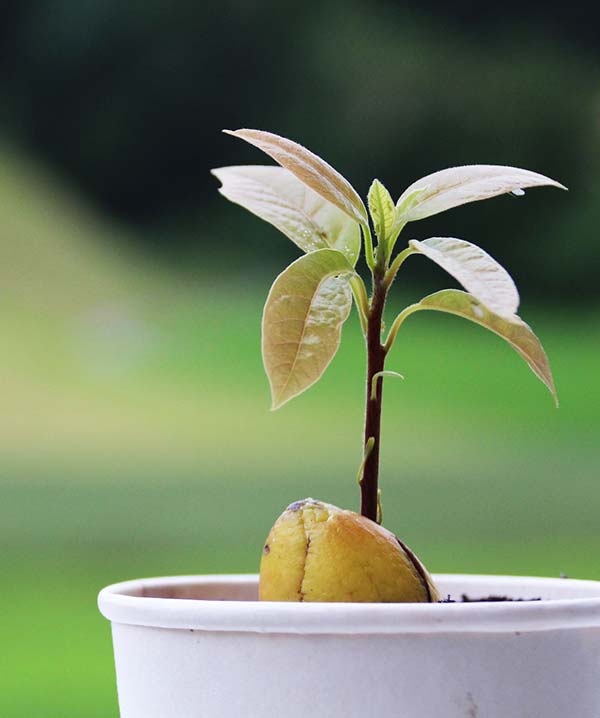
In this parable, Jesus compares the natural phenomenon of planted seeds and their relationship to soil fruitfulness with the sowing of spiritual seed—the Word of God, and how different individuals receive it.
Listen! A farmer went out to sow his seed. As he was scattering the seed, some fell along the path, and the birds came and ate it up. Some fell on rocky places, where it did not have much soil. It sprang up quickly, because the soil was shallow. But when the sun came up, the plants were scorched, and they withered because they had no root. Other seed fell among the thorns, which grew up and choked the plants, so that they did not bear grain. Still other seed fell on good soil. It came up, grew, and produced a crop, some multiplying thirty, some sixty, some a hundred fold.
Mark 4:3–8 [1]Jesus goes on to explain:
The farmer sows the word. Some people are like seed along the path, where the word is sown. As soon as they hear it, Satan comes and takes away the word that was sown in them. Others, like the seed sown on rocky places, hear the word and at once receive it with joy. But since they have no root, they last only a short time. When trouble or persecution comes because of the word, they quickly fall away. Still others, like the seed sown among thorns, hear the word; but the worries of this life, the deceitfulness of wealth and the desires for other things come in and choke the word, making it unfruitful. Others, like the seed grown on good soil, hear the word, accept it, and produce a crop—some thirty, some sixty, some a hundred times what was sown.
Mark 4:14–20In Jesus’s teaching, he compares the natural phenomenon and variability of botany with the spiritual phenomenon of man’s responses to God’s Word. The condition and readiness of the soil determines the botanical fruitfulness. Similarly, a person’s availability to receive and put to use God’s Word reflects in the eventual degree of fruitfulness.
This parable highlights conditions that prevent or deter fertility and productivity: insufficient soil, lack of roots, and thorns. In people, the dissuading conditions are: cares of the world, deceitfulness of riches, and desire for other things.
In the spiritual realm, we might allude to “survival of the faithful.” In the natural world, it is “survival of the fittest.” The two realms have many parallels.
Humans reproduce through embryonic fertilization. The biological seed is sperm, and when a sperm fertilizes a female egg, a human life evolves with its inherent genetic information. This new life must meet many challenges within and from the environment that can threaten and “choke” its survival, thriving, and productivity. Biological life recapitulates in many ways, according to the way species interact with nature. All, of course, is under God’s purview.
Survival of the faithful refers to the emergence and flourishing of spiritual life from its inception through eternity. The botanical seed is analogous to God’s Word, and the soil is the condition and response of man. Survival of the fittest refers to a person’s genetic endowments and what a person does with them as they progress through life.
None of us chooses to be born, but natural selection grants us a unique identity and a host of opportunities. Heritability affords advantages and limitations, privileges and deprivations. The “luck of the draw” may be scientifically based and mystically unfair, but it is not without choices as we live.
In Jesus’s Parable of the Sower, the soil represents the resources with which the seed (God’s Word) can take hold and flourish. In ordinary life, the seed is sperm that potentially germinates human life, carrying genetic codes that influence and largely determine the probabilities of development and the success of endeavors. Largely, but not wholly. Largely leaves room for variation, error, and improvement. Wholly comprises the sum of parts and the intervention of holy.
We are all born with genetic codes that determine or influence who we become. Some are more “hardwired” (like gender or race), while many are more probabilistic and subject to environmental and developmental factors, as well as how we live. For instance, vulnerabilities to certain diseases tend to run in families. If our ancestors had heart disease, depression, allergies, etc., this doesn’t mean we are destined to get them, but it does influence the probabilities. The same is true for many afflictions, as well as the strengths and gifts we tend to inherit from our parents: the good and the less auspicious genetically set the stage for what happens in the soil of our experience.
Let’s examine the soil. How does Jesus’s description of the different types of soil translate to human experience of the plight of the seed (sperm)?
Whereas, the conditions of life and the environment were far different in the first century, human nature has not essentially changed. Thus the vulnerabilities, foibles, and temptations of man still endure and palpably influence fruitfulness.
Our cares of the world each day comprise mundane necessities and pressures like paying the bills, dealing with relationships and conflicts, worrying about security and the future, and guarding against threats and perceived threats (including property, health, independence, etc.).
I include in this category the self-management and mental health issues that plague millions. Between catering to self-interests and battling anxiety, depression, health problems, most people are so preoccupied with these befuddling matters that they have dwindling energy or foresight for cultivating their seed and soil: making the most of genetic endowments along with planning, learning from experience, living healthy lifestyles, managing stress, and persevering with skills, work, and commitment.
The state of our individual soil can become depleted or contaminated by the “pests” of daily living and the demands and intrusions of the world.
In our daily life, the temptation of riches extends to individual and corporate greed for money, getting ahead, control, and power. The “carrot” of wealth and material security leads many into capitulating to temptation and sometimes to ruin. The appeal of riches can lure into despoiling ethics, honesty, and morals.
Haven’t you been tempted or enticed to bend the rules to your own advantage?
Appetites are intense entities with strong allure and limited language. Their vocabulary consists almost entirely of “More” and “Now!” They are rarely satisfied.
Here’s the odd thing: when it comes to desired acquisitions, we tend to have limited perspective and filtered memories. We always want the next thing, anticipating that it will satisfy us. Rarely is that the case. Whether it’s material possessions, relationships, recognition, approval, or achievement, the ambition and desire is in the journey rather than the destination. Attainment clears the way for the next desires; getting something sought after leads to wanting something else. It seems never ending.
How many clothes or gadgets are in your house? How many times have you discovered that the relationship or opportunity once passionately sought eventually disappoints or sours?
Do you receive deliveries from Amazon and not know what’s in the box until you open it?
In Jesus’s Parable of the Sower, detracting soil conditions are also likened to desire for other things—that is, the attraction to and preoccupation with things besides God’s wisdom and instruction on right ways to live.
Each of us has many distractions and influences that compete for our attention and efforts. We have interests, hobbies, obsessions, lures, triggers, and even addictions. These compete with and often replace focus and motivation toward the truly important (rather than the urgent). As is true for spiritual matters, this applies also to everyday concerns and fruitfulness.
Sometimes desire for other things amounts to priorities. In practical terms, interests and distractions that are tangential to or incompatible with larger desired outcomes can interfere with or replace the focus and energy on what is truly important, valuable, relevant, productive, and satisfying. We may become absorbed in work to the detriment of family time; side interests may detract from the steps necessary to advance in career; or the intrigue of esoteric philosophies or the charm of celebrity or fantasy may substitute for the work and dedication that leads to fruitfulness.
Sadly, the desire for other things often amounts to getting the next fix: indulging or engaging in behavior that relieves stress and induces escape; turning attention to retail therapy to temporarily quell incompleteness; rationalizing or justifying selfishness or angry feelings; engaging in one-upmanship, retribution, or revenge rather than seeking peace and forgiveness.
In the Parable of the Sower, Jesus metaphorically compares God’s Word to plant seeds. His implication is that such seed is sown liberally and repeatedly, but will bear fruit only with soil that is ready. Jesus describes conditions of soil and man that inhibit or interfere with fruitfulness. The intent of this parable is to differentiate those who bear fruit from those who don’t, but it is also to admonish and advise listeners that their soil (emotional, spiritual, and behavioral conditions) can change.
In our everyday lives, this is also true. My Parable of the Sperm has multiple meanings. First is the genetic seed that our fathers have sown—the lucky one that gave each of us life. Second is the implied reality that, although only one original sperm bore fruit in us individually, each of us continues to develop throughout life and has multiple opportunities and choices to make the best of that original seed’s potential. Third is the ability and possibility to change our soil—that is, the readiness and availability of our fitness and faithfulness to become fruitful.
If you want to multiply your fruitfulness and harvest, be attentive and nurturing to the seed in your soil and soul. Here are some tips:
There’s no avoiding the challenges, stresses, and obligations of daily life. The more fit you are—physically, mentally, and spiritually—the better you will be able to meet these with resilience, accomplishment, and satisfaction. You must actively monitor and care for your overall health: sleep, diet, exercise, recovery, social interactions, etc.
Pay attention to how you manage stress and to developing and implementing regular tools in your lifestyle to keep stress from overwhelming you and breaking you down.
Be cognizant (not paranoid) of the “thorns” that can choke your growth and fruitfulness: the relentless pressure of responsibilities and expenses, the inevitable human conflicts and disappointments, the bombardment by societal influences.
Avoid and/or break free from the stranglehold of addictions. These have been called “suicide on the installment plan.” Stress, trauma, and a multitude of pressures push us to quick relief and escape. Resist and find help.
Develop the ability to maintain perspective and detach from over absorption in pressures and crises. You want to be passionate and motivated, but you also need to be calm and objective. As my mother used to reassure me: “This, too, shall pass.”
Be wary of distractions, especially the tendency to be drawn by the urgent that can easily replace the important.
Try to avoid suspicion and rampant negativity, but expect troubles. It’s the way of life.
Dear friends, do not be surprised at the fiery ordeal that has come on you to test you, as though something strange were happening to you.
1 Peter 4:12or hardship does not spring from the soil, nor does trouble sprout from the ground. Yet man is born to trouble as surely as sparks fly upward.
Job: 5:6–7Be patient, then, brothers and sisters, until the Lord’s coming. See how the farmer waits for the land to yield its valuable crop, patiently waiting for the autumn and spring rains. You, too, be patient and stand firm, because the Lord’s coming is near.
James 5:7–8“Money may not be everything, but it’s way ahead of whatever is second best.” This saying is cute, but misleading. If you live mostly by the “almighty” dollar, you will surely miss out on life’s better rewards and your potential according to God’s desire for you. Of course money is important. We all have obligations, pressures, and constraints. Often, hardships seem beyond our control. Whether in good times or bad, you will always have choices to take the high road and to appeal to God, listen, and follow His direction.
In the Western world, we have opportunities, but also face fierce competition, oppression, unfairness, and temptations of all kinds. The drive to meet basic needs and get ahead is natural and righteous, but we must be wary of envy and jealousy. Resist the temptation to cheat and to justify it. God sees all, and in the end, you will pay. Build your character as well as your financial portfolio.
Ambition can be productive and healthy, but it must also have boundaries. Love people over money. Recognize the seduction of appetites and greed. These are insidious, so be on guard. Appetites are intense entities with strong allure and limited language. Remember, their vocabulary consists almost entirely of “More” and “Now!” They are rarely satisfied. Cultivate the satiety of enough. Flooded soil is less productive.
Work hard and be diligent and conscientious. But make time for leisure, rest, family, friends, and community. Give back. Sometimes, fallow soil becomes eventually more fruitful.
To be human is to be limited, distracted, tempted, vulnerable, flawed, and weary. Delayed gratification, the abstraction of spiritual matters, and the appeal and availability of material and other gratifications to allay our hunger are easy and constant lures to push us off course.
Although a calm brain and nervous system adapts and learns to “go with the flow,” it is also paramount to resist temptation and its relative, impulsivity.
Set your values and priorities right and true, and let them be your compass. Know yourself, your vulnerabilities and blind spots. Allow correction from God and trusted, knowledgeable people. Develop discernment, so you won’t be led astray.
Cherish and cultivate spiritual growth and maturity. Survival of the faithful is a reality. Determine to be fruitful and bring ready soil, conditions, and nature to the seed planted in you.
My brothers and sisters, can a fig tree bear olives, or a grapevine bear figs? Neither can a salt spring produce fresh water.
James 3:12Remember that God and people are watching. How you live and what you do bear witness.
By their fruit you will recognize them. Do people pick grapes from thornbushes or figs from thistles? Likewise, every good tree bears good fruit, but a bad tree bears bad fruit. A good tree cannot bear bad fruit, and a bad tree cannot bear good fruit. Every tree that does not bear good fruit is cut down and thrown into the fire. Thus, by their fruit, you will recognize them.
Matthew 7:16–20Amazingly, you won a round of the genetic lottery! Millions of sperm competed to fertilize your mother’s egg, and you are the result of the victor. Congratulations! That’s quite a tribute to you and your Creator. You came prepared to explore and battle life, to use your genes, tools, experiences, and choices to make it what you can. You are unique: there has never been, and will never be, anyone exactly like you. That makes you special, doesn’t it? You are loved enough to have been naturally selected. Bask in this, but watch your pride, because everyone else is special too. You should respect that and love each of them because of it.
You were born endowed with strengths, weakness, and the genetic codes that can bring afflictions. Life is difficult, and the world is often threatening and dangerous. However, your original seed found suitable soil. The Parable of the Sperm applies to you. It’s up to you to grow wisely and nurture the soil to bear fruit in your life.
You are the result of one seed (sperm) and one egg, a miraculous embryo allowed to flourish! The Parable of the Sperm informs that you should cultivate your growth wisely in soil that can be replenished and changed. Good luck, good living, and praise God for the fruit He plants and encourages you to bear!
— Mark Steinberg, PhD
[1] The Holy Bible, New International Version® NIV® Copyright © 1973, 1978, 1984, 2011 by Biblica, Inc. Used with permission. All rights reserved worldwide.