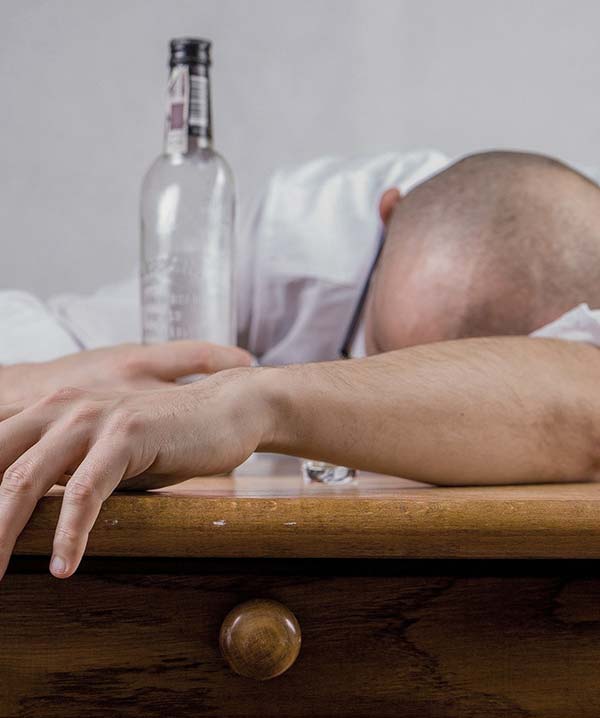
Perhaps you’ve heard the saying: I’d rather have a bottle in front of me than a frontal lobotomy.
This drunk incantation is cute, but it hints at the helpless resignation of alcoholism, an affliction not at all funny.
It’s time for you to stop drinking. You know it, and so do your family and friends. Sobriety is not easy, at least at the beginning. But, it’s doable, gets much easier, and the rewards are worth it, even if you’ve struggled and failed repeatedly. When you get used to sobriety, you will be so thankful and wonder how you could have lived any other way.
Among addictions of substances, alcohol is ubiquitous. It’s legal, widely available, entrenched in culture and cuisine, and social endorsed. It’s also poison for the brain. Alcohol is a monster, able to disintegrate your life from the seams.
In moderation, alcohol can often be tolerated. It loosens inhibitions, relaxes stress, and tastes good with food when you’re accustomed to it. But moderation is a big problem for so many drinkers. Alcohol quickly becomes a habit and then a dependency. Even mild regular drinking becomes a necessity to unwind and sleep. In excess and over long periods, alcohol contributes to and causes physical diseases in addition to its devastating relational and social consequences.
The Lure of Alcohol
Given the overwhelming downsides, why is quitting so difficult? Let’s tie the reasons to solutions.
There are three key constructs underlying and reinforcing addictions:
Anxiety is a huge affliction for millions of people. While not all anxiety sufferers are addicts or alcoholics, every addict and alcoholic struggles with anxiety, whether they are keenly aware of or not. It is the overarousal of the nervous system, stress on the brain, and the body’s neurochemical knowledge that alcohol will reduce anxiety that compels people to drink to find relief. Unfortunately, though drinking does provide relief, it’s temporary and comes with a big price: immersion in the vicious cycle of withdrawal (causing a spike in anxiety tied to craving), a compulsion to drink, temporary satiation, and then the cycle repeats, trapping the brain and behavioral repertoire in a prison of addiction and repetitive self-sabotage.
Dealing effectively with anxiety is requisite to interrupting this harmful cycle and becoming healthy.
Our brains and nervous systems have delicately responsive mechanisms that balance and control our “housekeeping” operations—sleep, wakefulness, alertness, moods, appetites and sensations, perceived threats, satiety, and fight-or-flight responses. Normally, the brain modulates these self-regulatory functions. However, many factors can disrupt self-regulation and throw the system into disregulation, causing symptoms and imbalances that sound internal alarms and demand attention and relief. Self-medication is a quick and ready solution, easy and tempting to access, despite its many disadvantages.
Restoring the brain’s natural self-regulatory mechanisms is imperative to maintain adequate brain functioning and the exercise of neurological and behavioral self-control.
Like other habits, the more you practice drinking, the more the behavior is strengthened. The combination of repetition paired with “payoff” consequences leads to higher probability of behavior. This is called reinforcement. With chronic drinking the brain’s increasing dependence upon alcohol coincides with behavioral regularity, social and biological reinforcement, and lifestyle.
In many societies, drinking is part and parcel of centuries of culture, friendship, communal celebration, conviviality, and escape. People drink when they are happy, sad, together, or alone. There’s always a reason and always an excuse. Alcohol can be cheap or expensive, crude or elegant, and it is legal and available. These factors provide access, temptation, and justification.
If you don’t join social drinking, you may feel you are missing out. If others notice your abstinence, you may face questions or derision. Besides the temptation, it’s not much fun to be around dirt-faced intoxicated people when you are sober. And, yes, you have typically been a bit like them when you were drinking. It’s hard to face in the new light of clear-headedness.
Along with overcoming the biological and psychological dependence on alcohol, maintaining sobriety requires significant changes in habits and lifestyle. Fortunately, this results in better habits and healthier relationships, even if you have to discard some old and disreputable “friends.”
You will need to modify your eating habits and fill your body with nutritious foods that maintain healthy blood sugar levels. You’ll need to reform your sleeping habits and develop more natural transition from waking to sleeping without relying upon alcohol. You’ll need to build new modes of relaxation, stress release, and regular exercise—all invaluable and worth the efforts.
There are a lot of reasons to drink—but better reasons not to.
Appraising the grip of alcohol dependence, a well-known music rapper recently compared chronic drinking to dealing with a loan shark: “I love the flush feeling, the power, but I hate the damn interest!”
How Do You Stop Drinking?
There are many and varied approaches to the cessation of drinking. Some drinkers can quit on their own. A few can go cold turkey. Most can relate to the saying, “Quitting is easy: I’ve done it dozens of times!”
Many alcoholics find value in twelve-step programs. Some find medication useful in dealing with alarming mental health symptoms and in the process of detoxification from alcohol. Those in the grips of severe alcohol dependency may benefit from an in-patient rehab program to dry out. Though such programs may help in crisis situations, their recidivism rate is high. Rehab may be the first stop, but it is rarely sufficient. Many alcoholics and addicts cycle through several in-patient rehab stints.
In my practice, we treat alcohol and other addictions by non-pharmaceutically addressing the three underpinnings of addiction described above.
By training the alcoholic and disregulated brain with EEG neurofeedback, we re-establish neuronal regulation that allows the person to gradually feel whole again. As the brain restores and approaches more normal balance, sleep improves, concentration and focus get better, and the rollercoaster of negative emotions, edginess, and irritation, gradually subsides. People depend on alcohol for years because they just don’t feel right inside. The brain must adapt to calming down, dispelling stress, weathering adversity and frustration, and shifting internal states as conditions and tasks change with the flexibility that facilitates and accompanies adaptive functioning.
Along with brain training, I help people overcome cravings, negative emotions, traumas, and self-sabotage by administering Voice Technology, as needed. This treatment is administered by phone, and patients can call me any time of day or night when they are in need. Voice Technology is a powerful and rapid method for eliminating all kinds of distress and crises underpinned by negative emotions. I can get rid of imminent cravings by phone in minutes. Importantly, when patients call, we can overcome self-sabotage by correcting psychological reversal, the dynamic that keeps them from doing what they intend or what is in their best interests. Dealing with this notorious and persistent problem is especially necessary in assisting addicts and alcoholics to succeed with abstinence.
People endeavoring sobriety also need guidance and support to stay the course and make the lifestyle and habit changes that facilitate living clean and sober. They need information, education, encouragement, communication, tips and strategies, and confidence as they develop a new lifestyle that separates them from their addiction.
Decades of experience in helping people overcome their demons and live healthier and more fulfilling and productive lives allow me to combine technology, compassion, and vital assistance to those who are willing.
How many times you failed, how messed up your earlier life has been, how deeply you are troubled—these are (surprisingly) not the relevant predictors of success in treatment. What does matter is that you are willing and consistent. What happened in the past is history with pain and triggers. These do not have to impede you going forward. Traumas can be quickly healed with our methods. Physiological and psychological disturbances can be healed. New habits and more freedoms await.
I tell my patients at the outset: if you will participate in training your brain weekly for a few months and you will call me regularly when distress, temptations, crises, and setbacks arise, you will succeed!
There are so many benefits to giving up alcohol. You will sleep better, think more clearly, drive more safely, and heal your body and emotions. Your joints and muscles will ache less without alcohol. You may lose weight. You’ll be in much better control of your emotions and behaviors, and you notice things about yourself and others you’ve overlooked for years. You will become more stable, reliable, and trustworthy. You’ll save money.
Best of all, the affliction of addiction will be a memory, and you will feel more free, healthy, proud, and confident. You can do this. It’s time.
— Mark Steinberg, PhD