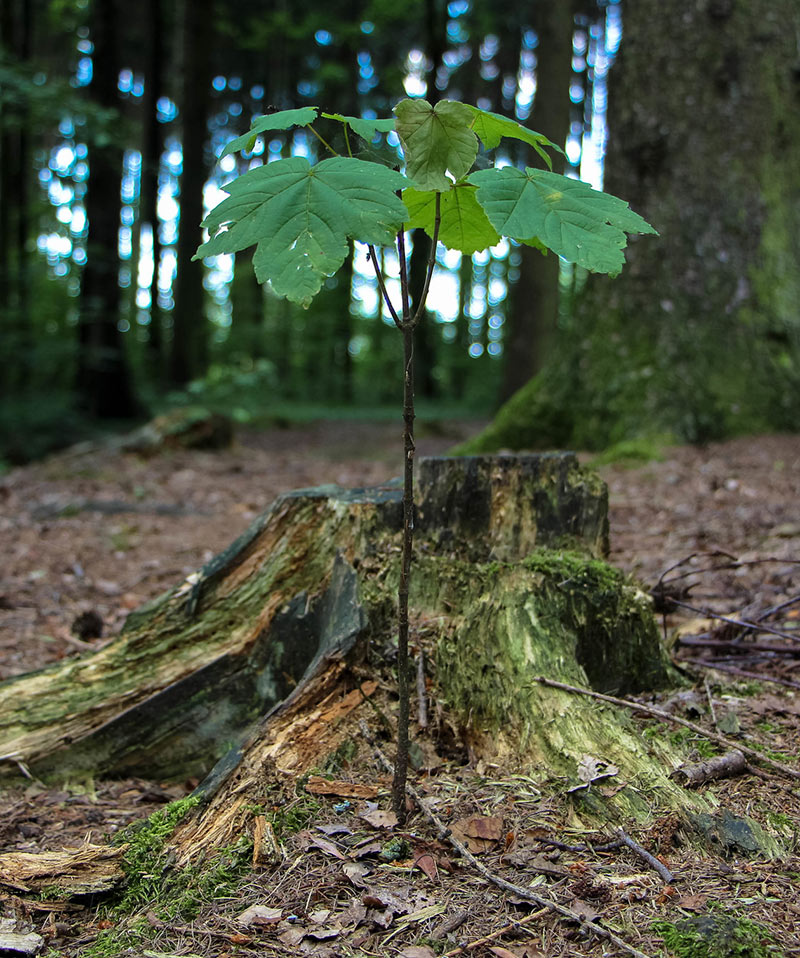
Growing up is a process we all go through. Typically, we think of growing up as emerging from infancy, childhood, adolescence, and into adulthood, sometime around the age of twenty or so. Although the term growing up refers to stages of physical development and milestones, we also attach to these words the inferred notion of psychological maturity and social responsibility. It’s expected that each of us will “grow up” with nature, assume responsibility, independence, and act as contributing members of society, according to individual abilities and opportunities.
In truth, growing up is a process that continues throughout our life span, although the first twenty years of life propel us through stages at an accelerated pace. From the perspective of human development, we grow and mature continually, adjusting to newer challenges of aging and the concurrent expectations, limitations, and fulfillments they bring.
Regarding childhood and adolescence, we think of growing up as a blend of body changes, increased cognitive skills, judgment, work and moral ethics, and various types of social participation and responsibility. All of this is true. However, as life and time encroach and form us in concert with our genetics, experiences, and choices, we make constant adjustments in understanding, expecting, and adapting to our growing selves and our circumstances.
Children grow up. Parents grow old.
The field of developmental psychology is a descriptive science. It is the study of human development across many stages of life span. Developmental psychology incorporates understanding and classification of biological, psychological, and social aspects of how people grow and what it takes to adjust, adapt, and even thrive in different periods of life.
I have been trained in developmental psychology, and I incorporate this knowledge into my clinical practice. I treat people of all ages. They come to me for the alleviation of symptoms and help with a wide range of difficulties, ranging from biological brain irregularities to self-management, achievement, and relationship problems. My primary focus is to alleviate the symptoms for which patients seek treatment—this is as it should be: the very nature of the contract between doctor and patient.
Knowledge about human development informs not only the context of symptoms and their alleviation, but also the care and guidance of the person presenting with those symptoms. As well as relief from distress, people want knowledge, understanding, and reassurance about their safety, security, and what is happening to them that may be quite disconcerting. A broad developmental perspective, an attentive ear, and a sensitive bedside manner are in order to meet these needs.
The parent whose child is acting out or going off the rails needs relevant information and guidance. The spouse whose partner is behaving inappropriately needs assistance in evaluating options and making decisions. The person who has suffered great loss needs to unburden and find comfort and hope. Victims of trauma need direct healing and yearn also to see some light at the end of the tunnel. Many young adults are lost, dejected, and confused about how to find their independence and place in the world.
Knowledge and experience with their own development underpins the growth that patients experience as they get over their symptoms. Moreover, a therapist or mentor familiar with stages in human development can provide explanation and context that helps patients accommodate their growth with more comfort and confidence.
What is it that each of us has, cannot be touched, increases every year, and can never go backward? Age.
Specialists in medicine, education, and mental health can tell you about normal and typical challenges, milestones, and performance at succeeding stages of child development—from potty training through puberty, and beyond.
I want to briefly outline some developmental stages that occur beyond the ages when we are supposed to have “grown up.”
Small children—small problems; big children—big problems.
Traditionally, most healthy people are straining at the bit to move away from their parents by the time they reach late adolescence. Independence accrues gradually—easier for some and more difficult for others—with children expected to enter college or get jobs after high school. Many attend colleges away from their hometown, where the process of living independently dovetails with social maturity and preparation for the workplace (hopefully). Some take a hiatus from school to “find themselves.” Others explore the job market, trying out what they can get in the fray of competition. In current times, costs are so high that many young adults live at home, even after college or when they are working. Some traditional cultures expect females to live with their parents until they marry. This often creates conflict in families with immigrant backgrounds, whose children were born into American culture.
Other young adults have stunted psychological growth, arrested development, or psychosocial problems that relegate them to withdrawal and dependence upon their families, well into adulthood. The stereotype of a nonproductive twenty something playing video games in his parents’ house all day may be a characterization of our millennial generation; but the inhibited independence of many young people is nothing new to the inveterate challenge of growing up and getting out on one’s own.
When I was a child, I talked like a child, I reasoned like a child. When I became a man, I put the ways of childhood behind me. For now we see only a reflection as in a mirror; them we shall see face to face. Now I know in part; then I shall know fully, even as I am fully known. 1 Corinthians 13:11-12
The twenties are a decade when people emerge into adulthood and prepare for and begin livelihoods and careers. It’s also a period (usually) of peak physical health and performance. Those in their twenties often feel invincible. Most of them are strong, healthy, supple, eager, and energetic. They want to satisfy their ambitions and appetites and gain recognition and accolades. They may feel ready to conquer, or at least show the world what they are made of. This decade of robustness (or, in some cases, much malaise) often leads people to excess: abusing their bodies and habits, spending recklessly, ill-advised ventures and relationships, and continued rebellion against parents and authorities. People in their twenties may act with abandon, seldom thinking that age will slow them down and bring consequences that accumulate over years and decades. The twenties are a period of growing up in the sense that young adults begin to realize that much is expected of them; the free ride and protections that they took for granted are reaching an end.
The thirties are a decade when adult responsibilities and expectations impinge. It’s time to “grow up” and be productive. Many are finding partners and starting families. It’s a good period to have children: some years of maturity and sowing wild oats have transpired, and the biological clock is ticking (especially for women). Many women who have consulted me in their twenties and vowed they would never have children reappear in their thirties with different desires and priorities. As it takes a long time to become established, people in their thirties typically struggle with finances. Ever increasing expenses accrue, and income is seldom enough for the needs of thirty somethings—even more so when children arrive. Bodies begin to slow down in one’s thirties. You can no longer get away with eating and drinking what you want—it begins to show. Thus, adjustments in habits and lifestyle become pertinent. The thirties are a decade during which one’s own parents suddenly seem wiser, when still youthful but maturing adults begin to respect and even seek advice from their elders. In addition, the need for babysitters and childrearing advice takes on new value. The thirties are a very rough decade in development.
You ain’t a man until your daddy says you’re a man. — Texas proverb
The decade of one’s forties often brings some measure of maturity and acceptance. The forties are typically a period of heightened activity and significant productivity. People need to make their mark in their forties—or, at least establish a path toward that outcome. It is a decade of expanding waistlines and body thickening, slowing metabolism, great expenses, offspring responsibilities, joys, problems, and family enmeshment. Marital conflicts that have been festering tend to surface or explode, and people can feel locked in or trapped by their lifestyles and circumstances. The forties are a time when the realities and responsibilities of adulthood demand many adjustments and compromises. Those in good health still have enough energy; but the handwriting on the wall appears that savings in energy, finances, and personal resources are much needed for the years ahead. For accomplished career people and for parents, the forties are often a decade of reaping material rewards and personal and spiritual satisfaction. Regarding those subtle but nagging questions about life’s purpose, one’s forties tend to blossom them full-blown. It’s a decade of re-evaluation, planning, and determination of values and purpose. The forties are also about the time when a psychological reckoning comes with one’s own upbringing and parents. How strange it may sound—however, I’ve observed personally and professionally that it does usually take that long, that amount of life experience and maturity to come to a reconciliation and acceptance of one’s parents and earlier life. It takes about forty years to really “desatellize” from parents and shed the fantasies and misgivings about what one did and didn’t get in life and one’s parents’ roles in that process. It can be liberating and can launch a person into much more freedom and peace in personal development.
Analytic therapists know that men, despite their reticence about discussing feelings, are good patients; because, when it’s time to get in touch with their childhoods, most of them are already there.
By one’s fifties, a tenable level of maturity has occurred. Despite significant and often unanticipated changes (jobs, relationships, health issues, traumas), most people have settled in for the long haul. People in their fifties have a better understanding of how the world works. They have established their place in society and are reaping the consequences of decades of choices, habits, and work. The fifties are a decade of momentous advancement in body appearance and functioning. Adjustments in habits, lifestyle, and self-perception are necessary to adapt realistically to these biological changes. This carries difficulties for most people. Metabolism slows down, skin changes may appear, muscle tone flags, and the beauty of youth transitions to more venerable and stately appearance. People in their fifties must eat and exercise differently from what they have practiced previously. It’s important to eat less and move more. Increased effort and diligence are needed to keep nature’s encroachment at bay. For many, the accrual of self-discipline and stable lifestyles facilitates these adjustments. Others push back at the inevitable aging process through medical interventions, workout routines, or stalwart denial. A curious and often gratifying phenomenon occurs to people in their fifties: others in authority look—and are—younger! During a traffic stop, the thought occurs that the officer could be a son or daughter. Similarly, one’s children’s teachers resemble one’s own kids. People solicit the knowledge and life experience of those in their fifties; it’s often satisfying to share with and guide younger adults in the ways of the world. People in their fifties are often sandwiched between the demands of their immediate families and children and the increasing needs to care for their own aging parents. It can be a lonely pressure cooker. Many in their fifties see their children becoming young adults—moving away, fledging, testing the waters of life beyond parents, making mistakes, and gradually taking steps to establish their independence. Watching children grow into adulthood brings joys and frustrations. The empty nest is being prepared.
In one’s fifties, the experience of losing others to death begins to take sad traction. For many, the loss of parents becomes a catalyst for closure and a leap into the next phase of psychological independence. For others, significant loss becomes a reflective measure of trauma resistance and emotional stability.
The more we age, the more we become like ourselves.
A wise mentor said, “By the time you reach sixty, you’re not concerned with what your peers think.” I believe this to be the case. Rather than imply a callous disregard for or insensitivity to others, this statement reflects the idea that after six decades of living, we tend to establish some security and comfort in our own ways of viewing the world. We are less prone to be motivated by the pressing need for acceptance and more able to rest assured in our own accomplishments and beliefs. For better or worse, people in their sixties are set in their habits. This can require shifting, as physiology changes and health problems occur.
In the movie City Slickers, Billy Crystal gives a soliloquy about being in one’s sixties. He says (paraphrased): “You have routine medical ‘procedures.’ You eat early bird dinners earlier and earlier until you are having breakfast the night before…” Testimony, as it were, to becoming staid, slower, and more health conscious.
Many people in their sixties are grandparents, experiencing the joys of that role and both indulging and refraining from the “I told you so’s” that are lovingly intended for the benefit of their own children, now parents themselves. Many in their sixties are retired and either have the luxury to enjoy their time and savings or must tighten their belts to live on a fixed or reduced income. Those in their sixties are usually still young enough to enjoy a range of activities, but bodies become creaky and the signs that one must take care and prepare are hard to ignore. One begins to spend more time marveling at the beauty and abandon of youth, as well as thinking about aging and mortality. The body needs increasing care and cannot tolerate excess like it used to. The sixties are a time for sobriety in many senses of the word.
For the majority of those in their seventies, age shows. Well-preserved individuals are lovely or handsome in a different way: stately, matronly, mature. Many are still active and may be athletic. The majority of people in their seventies have retired. This change requires significant adjustments. One of my psychology professors many decades ago used to say (about retirement) that wives complain, “Now, I have twice the husband, but half the income!”
Genetics and lifestyle show fruition in the seventies. All but a few have had medical issues, some severe or life-threatening. The gift and brevity of life becomes more dear and palpable. Normally, the mind in one’s seventies should still be keen, though for many, some degradation occurs. Motor speed declines at an accelerated pace in the seventies and will continue to do so as one lives longer. Therefore, adjustments need to be made in activities and often in living accommodations. Illnesses and the slowdown of aging incur traumas for those in their seventies. Anxiety, depression, and sleeplessness are common. Those with a history of these problems are more at risk, but even well-adjusted people are vulnerable. When these maladies encroach, it can be very frightening. Previous habits and coping skill may no longer suffice, and one may become dependent on doctors, family, or friends. Often, there is a lack of resources, accompanied by fear, mistrust, and a sense of aloneness or abandonment. Most people in their seventies are aware of their need to belong and contribute. They may find it hard to talk about or may not have willing listeners. They may become discouraged, frightened, or isolated as their friends and families disappear. Yet, people in their seventies are often motivated and want to share their vitality. They also have a broad and grand perspective on history, human nature, and how the world works, even in modern times.
By the time you are in your eighties, you are indeed a survivor. Health in the eighties is variable; but most people are afflicted with at least the natural problems of growing old—and often by debilitating or chronic conditions. The majority in their eighties have lost partners and dear loved ones. This engenders difficult practical and psychological adjustments. Though endemic to the fabric of life, loss is traumatic. If not met with healing, coping, and support, the trauma of loss can accelerate deterioration in physical health, hope, motivation and will. On the flip side, those who have lived into their eighties have a deep appreciation for life and for the miracles and gifts that have enabled them to survive. They have learned to treasure the small things and the pleasures they can still enjoy. Many people in their eighties have a rich inner and spiritual life, nurtured by memories and the security of faith. Though some may be a bit salty or curmudgeonly, most octogenarians are deeply grateful for those who afford them care and attention.
Many in their eighties have difficulty sleeping and managing pain. They may have physical limitations that limit their mobility or ability to fully care for themselves. It’s common for them to experience anxiety or depression along with other maladies. More than a few suffer cognitive decline. One or more of these ailments are a focus of neuropsychological treatment, along with medical interventions.
By virtue of experience and the deference due to elders, they have earned the right to their opinions and views. They have much to teach younger folks, and they can model dignity and inspiration. People in their eighties move more slowly, though they still get things done. Many titans in business, academics, the sciences, and arts have continued to contribute well into their eighties.
For many octogenarians, this decade is a time to slow down, reflect, enjoy, and to be respected and taken care of. People in their eighties deserve all this; and they deserve the attention of those younger, who would do well to heed much of what they have to say. As a society, we need to instill better physical and financial care for these elders. Certainly, we should revere them as a matter of value and respect. From a psychological perspective, the eighties are a time for heightened reciprocal compassion between those who are older and those who are younger.
What walks on all fours in the morning, two legs in the afternoon, and three in the evening? Man—who crawls as a baby, walks upright in adulthood, and uses a cane in old age.
The symptoms and stresses that people seek help to relieve do not occur in a vacuum. Though not necessarily caused by experiential triggers, the anguish and overwhelm occur against a backdrop of life stage development woven through periods of the continuation of growing up. In conjunction with genetic predispositions and experiences that produce vulnerabilities, people at different ages must contend with their developmental challenges as they try to free themselves from pain, feel better, and become healthier. No one is exempt.
The sensitive healer/therapist as mentor must be conversant with the generalities of these life stages in order to better accommodate patients’ needs. It’s important to provide reassurance, perspective, and context as well as direct and effective treatment for symptom relief.
Each stage of growing up presents new challenges. None of us has ever faced the particular new circumstances with the ever-evolving body/mind conditions and accumulated learning from life experiences. As long as we are still breathing, we’re not done yet with growing up. There are no short cuts. Each person must live through the continuing saga of growing up individually. Yet, there are guideposts; and, it helps to have company and a road map.
Friends and family can hopefully be there. Age mates can provide validation, as can reading, watching, and hearing about the kinds of things one is going through. Peer support can be comforting and can even be a lifeline.
Professional help is much more effective (and accepted) when coupled with expressed understanding of patients’ developmental circumstances and reactions to them. Oncologists don’t need to have cancer, nor do gerontologists need to be old to be empathetic and effective. However, they must be knowledgeable and attuned, so their patients feel heard and cared for.
A wise mentor commented, “We’re all on the highway of life— each of us just gets off periodically at different exits.” A wise metaphor, not referring to life’s endings, but rather to the reality that each of us has an individual trajectory, composed of callings, traumas, serendipity, and, perhaps, destiny.
Particular experiences vary, of course, but life’s journey teaches similar things along the way—influenced but not pre-empted by culture or setting. In the scheme of things, each of us is here for a short time. Those granted a longer life get to experience the wonder and mixed blessings of biological aging—hopefully, with the concomitant wisdom that supplants and replaces the vigor and robustness of youth. In light of nature’s inevitable dominance, the best we can do is grow with acceptance and grace.
Along this journey, I have learned to trade in many of the pleasures and aspirations of youth for the subtler joys and wisdom that etch into my maturity. I age with acceptance and creakiness—not kicking and screaming—learning to adapt and to understand things that used to be unavailable to me: gratitude for preserved health, the company of a few loved ones, a place and a purpose to contribute to, a respect for and fear of the powers of good and evil, the simple pleasures of decent body functions, freedom, good and available food, serenity and focus, and the replenishing desire to help and teach others.
Though less ambitious than I used to be, my hopes are fueled with the desire to make a lasting difference, to leave a legacy that will empower my contemporaries and future generations. My accomplishments and my work are meaningful; any commendations or positive feedback are surplus and grace. I recognize how fortunate I am and have been for the upbringing and opportunities that allowed and encouraged me to thrive, despite my tendency to get in my own way.
I am nourished by gratitude and reverence, and I am reminded of my duty to sacrifice. Putting others first is not natural, but it can be learned, practiced, and valued. Its rewards are unsurpassed.
As I plow through my remaining time along this developmental journey, it’s my ambition to age gracefully: making the best of things with gratitude and discipline, accepting what I can’t change, living peacefully in a universe that won’t bend to my will, and forfeiting with a smile what God chooses to rescind.
Life, with all its difficulties and pain, is precious. There are no shortcuts—only the relentless forward progress through the wondrous and enlightening steps of growing up.
There is a time for everything, and a season for every activity under the heavens. Ecclesiastes 3:1
— Mark Steinberg, PhD